Mentions
Conversations linking to GitHub, newest first. Times are UTC.
Mentions by source
X
Bluesky
Hacker News
V2EX
Qiita
DEV
Mastodon
Latest posts
My project: an MCP server that lets the agent ask for an API key without ever seeing it Disclosure up front: I built this. It's free and MIT licensed. Why it exists: I run raycash.xyz, a small team building a confidential money app on Zama's FHE stack. We code with agents every day, and the keys we handle are the kind you don't want sitting in a chat transcript. That's exactly where they end up when the agent asks for one mid-task and you paste it in: the transcript, the logs, the model provider. So I wrote offprompt. It's a small MCP server with three tools: - collect_secret: the agent asks for a named value (say STRIPE_SECRET_KEY) and a page opens on 127.0.0.1 where you type it - await_secret: the agent waits until you've submitted it - cancel_secret: drops the request The value is written straight to .env.local. The agent never sees it. In cloud sandboxes, where localhost isn't reachable, it goes through a Cloudflare quick tunnel and the value is encrypted in your browser first. Config (Node 22+): {"mcpServers":{"offprompt":{"command":"npx","args":["-y","offprompt","mcp"]}}} Repo: offprompt/offprompt Two things I'd like input on from people who build servers: 1. Is splitting collect and await into two tools right, or would one blocking call be cleaner for most clients? 2. Which clients have you seen handle a tool that waits on a human well, and which ones time out? Also happy to hear it's the wrong approach altogether.
top1 in revenue on @RobinhoodCrypto chain. its revenue includes: > $STANDARD/ETH trading fee > Charter auction > launchpad fees > stock v4 pools > license/charter/S-Bill exits > buybacks and holder revenue its sitting in dimension-adapters#10539
Two new open datasets from Offlined: the ocean floor and 1 million sea marks, both usable offline Hi everyone 👋 The World → Seas & Oceans section of Offlined runs on two datasets. I’ve just published both on GitHub so anyone can use them, inside Offlined or in their own projects. 🌊 Offlined Seafloor The relief of the whole planet, land and sea, from the GEBCO 2026 Grid, packed as PMTiles (Terrarium raster-dem, lossless WebP). Any map library that reads Terrarium elevation, such as MapLibre GL, can draw it as depth colours, hillshade or 3D terrain. |Package|Zoom|Resolution at the equator|Size| |:-|:-|:-|:-| |Standard|0–6|~2.4 km/pixel|668 MB| |Detailed|0–7|~1.2 km/pixel|2.1 GB| It also includes 5,311 named undersea features (trenches, ridges, seamounts, canyons, basins…) from the IHO-IOC GEBCO Gazetteer. Each one has its geometry and its depth measured on the grid, and 839 of them also have their exact Wikipedia article in 10 languages. In Offlined: click anywhere on the sea to see the depth, the sea it belongs to and nearby undersea features. You can also turn on Relief / 3D in Maps. ⚓ Offlined Sea Charts Every sea mark in OpenStreetMap, split into one small file per country: lighthouses, buoys, beacons, harbours, anchorages, moorings and hazards (reefs, shoals, rocks). - 195 countries · 1,016,643 sea marks · 22.4 MB in total (OSM data from 2026-10-26) - Each country covers its land plus its exclusive economic zone Why this exists: Offlined used to ask the public Overpass servers for each country from every user’s computer. Those servers are often overloaded, so downloads failed a lot. Now the sea marks are extracted once per release from the full OSM planet file, and everyone downloads the result from GitHub in about a second, with MD5 checks. If a country isn’t in the latest release, Offlined still falls back to Overpass. Spot a wrong or missing sea mark? Fix it in OpenStreetMap and it will show up in the next release. Licences - Seafloor: data CC BY-NC-SA 4.0 (non-commercial). Bathymetry © GEBCO Compilation Group. - Sea Charts: data ODbL 1.0, © OpenStreetMap contributors (commercial use allowed). - Build scripts in both repos: PolyForm Noncommercial. Both repos include everything needed to rebuild the data from the original sources. >⚠️ Neither is for navigation. Use the official charts from your hydrographic office for anything involving safety at sea. Feedback, bugs and ideas are welcome, here or as GitHub issues. And if you find a cool trench or seamount, share a screenshot! 🐙
Rentabilidad del arriendo en Armenia por estrato: en cuál rinde más comprar para arrendar En Armenia, comprar un apartamento para arrendarlo rinde más en estrato 3 (7,1 % bruto al año, 14,1 años de arriendo) y menos en estrato 5 (6,8 %). DOI: 10.5281/zenodo.23521816
(Chalkberry) Ferramenta para desenhar diretamente no ecrã Criei uma pequena ferramenta para Windows chamada Chalkberry. Enquanto manténs CTRL pressionado, podes desenhar diretamente por cima de qualquer coisa no ecrã. Quando largas, o rato volta a funcionar normalmente. Pode ser útil para: • assinalar ou sublinhar algo durante uma apresentação • mostrar exatamente onde clicar numa partilha de ecrã • explicar diagramas, dashboards, código ou designs • rever trabalho em conjunto durante uma chamada • tirar screenshots com as anotações incluídas Não precisa de conta nem de ligação à internet, tem menos de 1 MB e funciona em Windows 10 e 11. Processing video bonwp0bjj6zh1... É gratuito e open source. Experimentar / download: joaogeraldes.github.io E para developers: o código também está no GitHub. Contribuições, ideias, issues e pull requests são muito bem-vindos, se houver algo que possa ser melhorado, força. Repositório: JoaoGeraldes/chalkberry
DroidKnights 2026 오늘 보여드린 A2UI Demo 코드는 여기에서 확인하실 수 있어요. JAICHANGPARK/droidknight2026-a2ui #DroidKnights
I kept zoning out mid pomodoro while prepping for CAT so I made my laptop catch me My problem was never the timer. It was picking up my phone or opening youtube "for 2 mins" halfway through a block and not noticing for 20. So I wrote a small Windows app for myself. It's a little timer bar that sits on top of the screen and uses the webcam to tell if I'm looking at the screen, at my book, or away. Look away too long or open a site I've blocked and it pings me and adds a bit of time to the block. It also notices if a phone shows up in frame. Stuff that mattered to me while building it: - it all runs on your laptop. no account, and camera frames are never saved or sent anywhere - you calibrate once (follow a dot, read your book, look around the room), about 20 sec - head down reading counts as studying, not as gone - a task list per pomodoro and a github style heatmap of your study days Free and open source, Windows 10/11 only for now: shymonke/lockin Still rough in places. Turning your head sometimes gets read as looking away, I'm working on that. If you try it I'd honestly like to know if it helps or just annoys you.
Dónde es más caro y más barato rentar un departamento de 3 o más recámaras en Ciudad de México: ranking de colonias En Ciudad de México, un departamento de 3 o más recámaras se renta por 90.000 pesos mexicanos (USD 4.874) al mes en la mediana en Polanco IV… DOI: 10.5281/zenodo.23528810
@Myrk_Heithr Here, you may have all of them with the same link ;) igawa6/eden-duo-companions
@realchendahuang VS Code Classics 可以试试我移植过去的主题,哈哈,已经在主题市场了,alanisme/vscode-themes-for-zed
Dónde es más caro y más barato rentar un departamento de 2 recámaras en Ciudad de México: ranking de colonias En Ciudad de México, un departamento de 2 recámaras se renta por 70.600 pesos mexicanos (USD 3.823) al mes en la mediana en Polanco III Sección, la… DOI: 10.5281/zenodo.23528793
Why AI Vision Alone Isn't Enough to Value Gaming Accounts !AI gaming account valuation architecture showing screenshot recognition, market data and game-specific algorithms Imagine building a tool that answers a deceptively simple question: "How much is my gaming account worth?" A user uploads a screenshot of their inventory. An AI model recognizes some weapons, skins, characters, and other items. Now what? Can we simply ask the model to assign a dollar value? We can. But that doesn't mean the answer is reliable. This problem illustrates something important about building AI applications: recognizing information and making decisions based on that information are different engineering tasks. Let's explore those challenges using GameAccountValue, an independent gaming account valuation project, as a practical case study. _Disclosure: This technical article was prepared with AI writing assistance. Product-specific information is based on publicly available project documentation. The article does not claim access to the unpublished valuation backend._ 1. The First Problem: AI Recognition Isn't Pricing Multimodal AI models can extract useful information from screenshots. Depending on the image quality and model capabilities, they may identify: - Game characters and equipment - Cosmetic items and skins - Account progression - Rarity indicators - Upgrade levels - Visible inventory statistics This is useful because game inventories are highly visual and often difficult to describe using traditional forms. But recognizing a rare item doesn't tell us its current market value. A model might identify an expensive-looking skin and generate a plausible estimate. Without relevant pricing information, however, that number may reflect incomplete knowledge or unsupported assumptions. This creates an important architectural separation: _Computer vision answers: "What can we see?"_ _A valuation system attempts to answer: "What might those attributes be worth?"_ Combining the two tasks into a single unrestricted model response can make the result difficult to validate. 2. Why a Specialized Data Layer Matters Imagine the system identifies three rare cosmetic items in a screenshot. Before calculating an estimate, we need answers to several questions. Are those items still obtainable? Does their upgrade level matter? Are there comparable account listings? Are the available prices recent? Do different regional markets show different patterns? A structured data layer helps organize information relevant to these decisions. GameAccountValue describes an approach combining AI screenshot recognition, a proprietary database, market price data parsing, and game-specific valuation algorithms. The purpose is to avoid relying exclusively on a general-purpose chatbot's generated price. However, having market data does not automatically guarantee a correct estimate. The quality of the data, its source, and the logic used to interpret it remain essential. 3. Marketplace Asking Prices Are Noisy Data Gaming account marketplaces create a particularly difficult valuation environment. An advertised price is not necessarily a completed transaction. Consider three hypothetical listings for accounts with broadly similar characteristics. Account A is listed for $120, Account B for $180, and Account C for $1,500. Simply taking the average would produce $600. But that number might be misleading. The $1,500 listing could contain rare items not visible in the other listings. It could also reflect an unrealistic seller expectation. We need to understand what makes the accounts comparable before calculating anything meaningful. Several questions emerge: Data freshness: When was the listing observed? Comparability: Does the listing actually represent a similar collection? Regional differences: Are prices from different markets being mixed? Outliers: Are unusually expensive listings distorting the result? Source reliability: Can the original listing be checked? These are general data-quality challenges, not issues that AI recognition alone can solve. GameAccountValue publishes a research methodology describing how its public market reports handle some of these problems. For example, its published methodology requires a named item to appear in at least two independent high-priced listings before presenting it as an observed value driver. This is a research rule for the site's market reports, not proof that the unpublished bot backend uses the same rule. That distinction matters when documenting a system honestly. 4. Game-Specific Rules Are More Useful Than a Universal Formula A second challenge is the diversity of gaming economies. The characteristics relevant to a developed Clash of Clans account are not identical to those relevant to a PUBG Mobile collection. Likewise, Genshin Impact includes character constellations and weapon refinements, while other games emphasize completely different progression mechanics. A generic model that assigns a universal dollar value to each item would struggle to represent these differences. A more appropriate design separates common operations from game-specific valuation logic. Conceptually, that gives us a pipeline: Input → Identify game → Extract attributes → Apply game-specific rules → Produce estimate The architecture can share a common interface while allowing each game's calculations to use different variables. This makes the system easier to reason about than a single formula applied to every game. But it also creates maintenance challenges. Each supported game may require its own input validation, assumptions, pricing references, and testing approach. Supporting ten games means maintaining ten different sets of domain-specific rules. 5. Two Interfaces, Two Different Technical Problems GameAccountValue uses two different approaches to collecting account information. Browser-Based Calculator The website provides a free calculator written in HTML, CSS, and JavaScript. The public repository contains the browser-side logic in assets/calculators.js. Calculations run locally in the user's browser based on the attributes they enter. This has several advantages. There is no need to send calculator inputs to a valuation server. The interface can run as part of a static website. And the published client-side calculations can be inspected independently. But the calculator has an obvious limitation: it can only evaluate the information the user provides. If someone forgets to include an important attribute, the calculation cannot discover it automatically. Screenshot-Based Telegram Bot The Telegram bot addresses a different problem. Instead of manually entering every account attribute, the user sends screenshots for AI-assisted analysis. The model can interpret visible account information and provide extracted attributes for the valuation process. The bot then uses the project's valuation engine and associated data to produce an estimate. However, its complete internal implementation is not published in the public website repository. That means the public repository can demonstrate the browser calculator, but it should not be treated as independent verification of every backend implementation detail. 6. The Hidden Problem: Incomplete Inputs Even a highly capable image-recognition system only knows what it can observe. If a rare item is outside the screenshot, the system may not account for it. If an inventory panel is blurry, recognition can become uncertain. And some game interfaces display multiple items with similar visual designs. A valuation application must therefore consider uncertainty in its input data. For example: - Was the item clearly visible? - Was its upgrade level readable? - Were all relevant inventory screens provided? - Could two similar items have been confused? These questions affect the quality of the final estimate. Collecting more screenshots can improve coverage, but it doesn't eliminate the possibility of missing or ambiguous information. 7. Why a Static Website Can Still Be a Useful Product One interesting part of GameAccountValue is the simplicity of its public website architecture. According to its GitHub documentation, the website uses plain HTML, CSS, and JavaScript without a frontend framework or bundler. The site includes game-specific calculators, multilingual content, research pages, and PWA functionality. This provides a useful reminder: Not every application needs an elaborate frontend stack. A static website can be appropriate when much of the interface consists of content and deterministic calculations. The benefits include straightforward deployment, reduced runtime complexity, and fewer moving parts. But simplicity in one part of the architecture doesn't mean the entire product is simple. The AI-assisted Telegram workflow and data-backed valuation system address different problems from the public website. Separating those responsibilities can make architectural boundaries clearer. 8. Twenty-Four Languages Introduce Their Own Complexity GameAccountValue currently offers content in 24 languages. That creates a different type of engineering challenge. When a page changes, the corresponding localized pages may need updates. Navigation, internal links, metadata, structured data, and translated content must remain consistent. The public repository documents checks for internal links, canonical URLs, hreflang annotations, structured data, and responsive layouts. It also reports a 721-page site validation conducted in October 2026. Those results are reported by the project maintainer; they are not presented here as independently reproduced test results. The broader lesson applies to any multilingual static website: As the number of pages and languages grows, automated validation becomes increasingly important. Without it, small template changes can introduce inconsistencies across many localized pages. 9. What I Would Test Before Trusting a Valuation System An AI-based valuation tool should not be judged only by how confidently it returns a number. A useful evaluation would separate the quality of recognition from the quality of pricing. For image recognition, test: - Item identification accuracy - Upgrade-level recognition - Performance with cropped or unclear screenshots - Behavior when important information is missing For valuation, test: - Sensitivity to incorrect item recognition - Differences between market regions - Handling of extreme listing prices - Age and provenance of pricing references - Differences between estimated and observed transaction prices, where verified transaction data exists A convincing benchmark would need a defined dataset, reference labels, a documented evaluation method, and results that others could inspect. Without that evidence, a project should avoid claiming a particular percentage of valuation accuracy. 10. The Broader Engineering Lesson Gaming account valuation is only one example of a much larger AI design challenge. We increasingly build products where AI extracts information from images, documents, audio, and unstructured text. But extracted information is not necessarily verified information. And recognizing something doesn't automatically mean we can make a trustworthy decision about it. A robust application may need additional components: - Domain-specific rules - Structured data - External references - Validation - Clear uncertainty handling - Transparent limitations The important takeaway is not that AI vision is insufficient or unhelpful. It's that AI vision works best when we understand which part of the problem it actually solves. _AI can help identify the contents of a gaming collection. Data and purpose-built algorithms are needed to attempt a meaningful valuation._ And even then, an estimated value is not a guaranteed market price. Project References Public website source code: [IamAlex-afk/game-account-value] Published market research methodology: [gameaccountvalue.com] The public repository contains the static website and browser calculator. The full valuation backend is not publicly documented in that repository. _GameAccountValue is an independent informational and entertainment project, not a marketplace for buying or selling game accounts._
セル結合したExcelをデジタル庁のHarunobuで採点してみた デジタル庁が、行政データの機械可読性に関するルールと、チェックツールのサンプル実装を公開しています。 セル結合を使った表を見て、「これはExcel職人には厳しいのでは」と半分冗談で思い、Google Colabで試してみました。 digital-go-jp/machine_readability_rule 今回使うのは、PythonからExcelやCSVを採点できる Harunobu です。 架空の売上表を用意し、セル結合などを直す前後で結果を比較します。 今回は生成AIを使わず、プログラムだけで判定できる項目をチェックします。 AIのAPIキーやGPUは不要です。 比較するのは4行の売上データ 修正前のExcelは、次のような表です。 実際のファイルでは、地域名のセルを2行ずつ結合しています。 地域 年度 売上 東京都 2024 100万円 (上のセルと結合) 2025 120万円 大阪府 2024 80万円 (上のセルと結合) 2025 90万円 人間なら、2行目も東京都の売上だと読めます。 例えば、pandasの read_excel() で通常のデータ列として読み込むと、結合された範囲の左上以外は欠損値になります。 この状態で地域別に集計すると、地域名が欠けた行を集計から落としてしまうことがあります。 修正後は、各行に地域名を入れ、売上も数値として扱えるようにします。 地域 年度 売上_万円 東京都 2024 100 東京都 2025 120 大阪府 2024 80 大阪府 2025 90 Colabで準備する 以下のコードは、Colabの新しいノートブックでセルを分けて上から実行します。 元のデモを実行したColab環境はHarunobu 0.2.2、Python 3.13.18でした。 この記事向けに整理したコードは、別途ローカルの新しいPython 3.13.2環境でも、インストールから採点まで実行して同じ結果を確認しています。 ソースの版を固定していますが、依存ライブラリまでは固定していません。 まず、公式リポジトリを取得してインストールします。 この版では、pyproject.toml はリポジトリ直下にあります。 import subprocess import sys import tempfile from pathlib import Path commit = "88014ff9cfe685d4e0e5f24a2d4d2e021ca3fd9f" repo = Path(tempfile.mkdtemp()) / "harunobu" subprocess.run([ "git", "clone", "--quiet", "digital-go-jp/machine_readability_rule", str(repo), ], check=True) subprocess.run([ "git", "-C", str(repo), "checkout", "--quiet", commit, ], check=True) subprocess.run([ sys.executable, "-m", "pip", "install", "--quiet", str(repo), "pandas", ], check=True) Harunobuには、プログラムによるチェックに加えて、生成AIに判断を補ってもらう「AI補完」という機能があります。 今回の表にあるセル結合と地域名の省略は、生成AIなしでも検出できます。 そこで、次のコードで「生成AIを使わない」と指定します。 今回のColab環境では、この指定がないとGeminiを呼び出そうとして、APIキー不足のエラーが出ました。 環境変数の設定でAI機能を無効にし、AIClient.reset() で、それまでに記憶された利用可否の判定もリセットします。 なお、生成AIが必要なチェック項目は対象外になります。 import os os.environ["HARUNOBU_AI_DISABLED"] = "1" from harunobu.core.ai_client import AIClient AIClient.reset() assert not AIClient.get_instance().is_available() サンプルのExcelを作る 次のセルで、修正前と修正後のExcelを作ります。 データはすべて架空です。 同じセルを再実行すると、このセルで作ったサンプルを上書きします。 from openpyxl import Workbook sample_dir = Path("harunobu_samples") sample_dir.mkdir(exist_ok=True) before = [ ["地域", "年度", "売上"], ["東京都", 2024, "100万円"], [None, 2025, "120万円"], ["大阪府", 2024, "80万円"], [None, 2025, "90万円"], ] after = [ ["地域", "年度", "売上_万円"], ["東京都", 2024, 100], ["東京都", 2025, 120], ["大阪府", 2024, 80], ["大阪府", 2025, 90], ] for name, rows in [("before.xlsx", before), ("after.xlsx", after)]: wb = Workbook() ws = wb.active ws.title = "売上" for row in rows: ws.append(row) if name == "before.xlsx": ws.merge_cells("A2:A3") ws.merge_cells("A4:A5") wb.save(sample_dir / name) この記事ではColabの一時的な作業領域に保存しています。 Google Driveのマウントや、サンプルファイルのアップロードは不要です。 作成したファイルはランタイムが削除されると失われますが、コードを再実行すれば作り直せます。 Python APIで採点する 公式APIの analyze() でファイルを読み、LevelScorer でレベル別の点数を計算します。 今回はL1とL2を調べる standard モードです。 import pandas as pd from IPython.display import display from harunobu import Config, analyze from harunobu.core.scorer import LevelScorer score_rows, check_rows = [], [] for name in ["before.xlsx", "after.xlsx"]: result = analyze(sample_dir / name, Config(mode="standard")) scoring = LevelScorer().score_analysis(result) for level, score in scoring.per_level.items(): if score.total == 0: continue score_rows.append({ "ファイル": name, "レベル": f"L{level}", "点数": score.score, "合格数": score.passed, "採点ルール数": score.total, }) for sheet in result.sheets: for table in sheet.tables: for rule_id, check in table.mr_result.all_results().items(): status = "対象外" if check.confidence == 0 else ( "OK" if check.passed else "NG" ) check_rows.append({ "ファイル": name, "ルール": rule_id, "判定": status, "説明": check.message, }) display(pd.DataFrame(score_rows)) checks = pd.DataFrame(check_rows) display(checks.loc[checks["判定"] != "OK"].reset_index(drop=True)) 11個合格でも0点になる Colabで実行したノートブックには、次の結果が保存されました。 ファイル レベル 点数 合格数/採点ルール数 before.xlsx L1 0 11/12 before.xlsx L2 0 3/4 after.xlsx L1 100 12/12 after.xlsx L2 100 4/4 12ルール中11個合格なのに0点、という結果に最初は戸惑いました。 この点数は、合格したルールの割合ではありません。 今回使ったデフォルトの採点設定では、重大度が FATAL の違反があると、そのレベルを0点にします。 これは採点処理のソースコードでも確認できます。 そこで、違反内容も確認します。 修正前では、次の2つがNGになりました。 ルール 検出された内容 L1-12 データ領域のセル結合が2か所 L2-02 項目値の省略が2か所 修正後では、この2つの指摘が解消しました。 なお、今回のデモは複数箇所をまとめて直しているため、点数の変化を単一の修正だけの効果として比較したものではありません。 「対象外」と100点の読み方 結果にはNG以外に「対象外」も出ます。 今回の実装では、空白とゼロの区別を調べるL1-09に生成AIを使います。 この記事の手順では生成AIを使わない設定にしたため、この項目は対象外です。 選択肢の標準化を調べるL2-04はデータ量不足、「その他」の詳細分離を調べるL2-05は該当する列がないため対象外でした。 そのため、修正後の100点は「採点対象になったルールをすべて通過した」と読みます。 すべてのルールを検査し、問題がないと保証したという意味ではありません。 実際、修正前に入れた「100万円」という文字列は、今回の実行ではL2-01の違反として検出されませんでした。 売上列全体が文字列になっているこの例では、判定は「数値データに文字列の混在なし」でした。 ルールとして求められる形式と、サンプル実装が検出できる範囲は、分けて考える必要があります。 また、採点方法はサンプル実装独自のものです。 公式READMEの注意事項では、配点や判定ロジックは政府の公式見解を示すものではないとされています。 整えた表を集計する 修正後の表なら、地域名を補完したり「万円」を除去したりせずに集計できます。 df = pd.read_excel(sample_dir / "after.xlsx") display(df.groupby("地域", as_index=False)["売上_万円"].sum()) 地域 売上_万円 大阪府 170 東京都 220 今回のような小さな表でも、見た目で読めることと、そのまま集計できることの違いが分かります。 Harunobuは、その違いを具体的なセルやルールに結び付けて確認する入口になります。 点数と指摘内容を一緒に見ながら、手元のExcelでも試してみると面白そうです。
Cuánto más cuesta arrendar con mascotas en Colombia, ciudad por ciudad y por estrato Frente a apartamentos comparables de la misma ciudad, estrato, habitaciones y tamaño, la característica «acepta mascotas» cambia el canon +1,3 % en promedio en Colombia. La… DOI: 10.5281/zenodo.23523284
OmniChat Harness: Multi-Provider Agent Harness & Orchestration Framework with MCP Autonomous agents require robust execution harnesses that can route between multiple model providers (Anthropic Claude, OpenAI, Google Gemini, local Ollama/vLLM), handle real-time streaming deltas, and dynamically interact with Model Context Protocol (MCP) tool servers. OmniChat Harness (GitHub: ziuus/omnichat-harness) is a TypeScript/Bun-powered orchestration framework and development environment built specifically for multi-provider agent development, streaming evaluation, and MCP server interop. --- Key Architectural Capabilities - Unified Multi-Provider Gateway: Transparent abstraction over Claude 3.5 Sonnet, GPT-4o, Gemini 2.0 Flash, and local models. - Native Model Context Protocol (MCP): Full support for client connections to filesystem, database, browser, and custom MCP tools. - Real-Time Streaming Engine: Zero-lag Server-Sent Events (SSE) and WebSocket conduits for token streaming and structured tool call dispatch. - Agent Memory & Session Journaling: Append-only execution transcripts, prompt cache optimization, and replayable execution trees. --- Quick Start with Bun git clone https://github.com/ziuus/omnichat-harness.git cd omnichat-harness bun install bun run dev Explore the repository, star the project, and inspect our MCP integrations: ziuus/omnichat-harness
V9968 のテクニカルデータブック更新。 Updated V9968 Technical Data Book. github.com/hra1129/V9968_Cartridge/tree/main/doc/…
repo v4ね。機能的には特別変わらないけど、rev削除はついに来たかという感じ。 drafts#51
一通り期待どおりの動きをするようになったの思う… boothのページを作るのは明日やる limit7412/VRCNativeFTManager
New Hybrid Port: Blood, Redneck Rampage, Powerslave Exhumed land on the MiSTer It's danik again! A new hybrid port is out today with five Build-engine classics in one core: Blood, Redneck Rampage and PowerSlave, with their add-ons. As always, it comes through update_all. If you haven't seen these before: a hybrid port runs a PC game's source port on the MiSTer's ARM CPU, and a small FPGA core does the rest. That means native 15kHz video for your CRT (VGA and HDMI work too), audio with the music on the core's own FPGA MIDI synthesizer or FM chip, and keyboard, mouse and gamepad input. New: Blood, Redneck Rampage and PowerSlave (GitHub) They run on NBlood by Nuke.YKT and its contributors: NBlood, Rednukem and PCExhumed, three source ports on EDuke32's Build engine. The port uses the engine's classic software renderer, so the games look as they did in DOS. - Five games, each with its own menu entry: Blood, Blood: Cryptic Passage, Redneck Rampage, Redneck Rampage: Rides Again and PowerSlave (Exhumed). Each has its own OSD settings, button mappings and saved games. - Four resolutions, switched live from the OSD: 320x200 as the originals, 640x200 twice as sharp across, and 320x240 and 640x240, where the view fills the whole screen and HUD (Top) / HUD (Bottom) keep the HUD out of your CRT's overscan. - Twin-stick controls: the left stick moves and strafes, the right stick turns and looks, R or R2 fires. L2 is Blood's alternate fire and Redneck Rampage's quick kick. Stick sensitivity goes from 25% to 300% in the OSD. - Rumble in Blood and Redneck Rampage. - Blood's music on the core's MIDI synthesizer (GeneralUser GS comes with it, or use your own SoundFonts), its FM chip, or an MT32-pi. - Cheats in the OSD, no keyboard needed: God Mode, No Clipping, the full map, No Monsters, all weapons, items and keys, and Next Level. - Menus work with the pad in all three games, PowerSlave's included. - You need your own full games: Blood 1.21 (the GOG and Steam releases have it), optionally with Cryptic Passage; Redneck Rampage and Rides Again; PowerSlave or Exhumed for DOS, or its demo. Duke Nukem 3D isn't in this one: it has its own port, EDuke32. Also updated - ScummVM: the pointer on a pad is much better. The stick's speed now grows with how far you push it, a tap of the d-pad moves it two pixels for precise clicks, and it moves smoothly in every game. A and B no longer press two things at once (dialogs that opened and closed straight away). Loading another core no longer leaves ScummVM running in the background. Grim Fandango is about 30% faster, still experimental. Thanks for the reports! - Duke Nukem 3D: in Penthouse Paradise, swimming up out of the ocean no longer warps you back to the bottom, and the deep water no longer throws you out of the map. Get it Already have the hybrid ports? Run update_all, and ScummVM and Duke Nukem 3D are updated. To add Blood, Redneck Rampage or PowerSlave, run danik_hybrid_ports from the Scripts menu, tick them and press X: Apply. New here? 1. Copy downloader_danik_hybrid_ports.ini to the root of your SD card. 2. Run update_all. It installs the launcher, danik_hybrid_ports, in Scripts. 3. Run danik_hybrid_ports from the Scripts menu, tick the games you want and press X: Apply. Game files aren't included. Each port's README says which files from your own copy go where, and the core tells you on screen if something is missing. All 15 ports, with screenshots: the overview. It's all still beta. If something breaks or feels off, please open an issue on the port's GitHub page or tell me here in the comments. AI is used extensively to speed up development; the project is well-maintained. If you like this consider becoming a free member on my Patreon: hear about upcoming cores first, test early alpha projects and vote on what comes next. More is in the works! danik out
Cuánto más cuesta arrendar un apartamento con balcón en Colombia, ciudad por ciudad y por estrato Frente a apartamentos comparables de la misma ciudad, estrato, habitaciones y tamaño, la característica «con balcón» cambia el canon +11,0 % en promedio en… DOI: 10.5281/zenodo.23523290
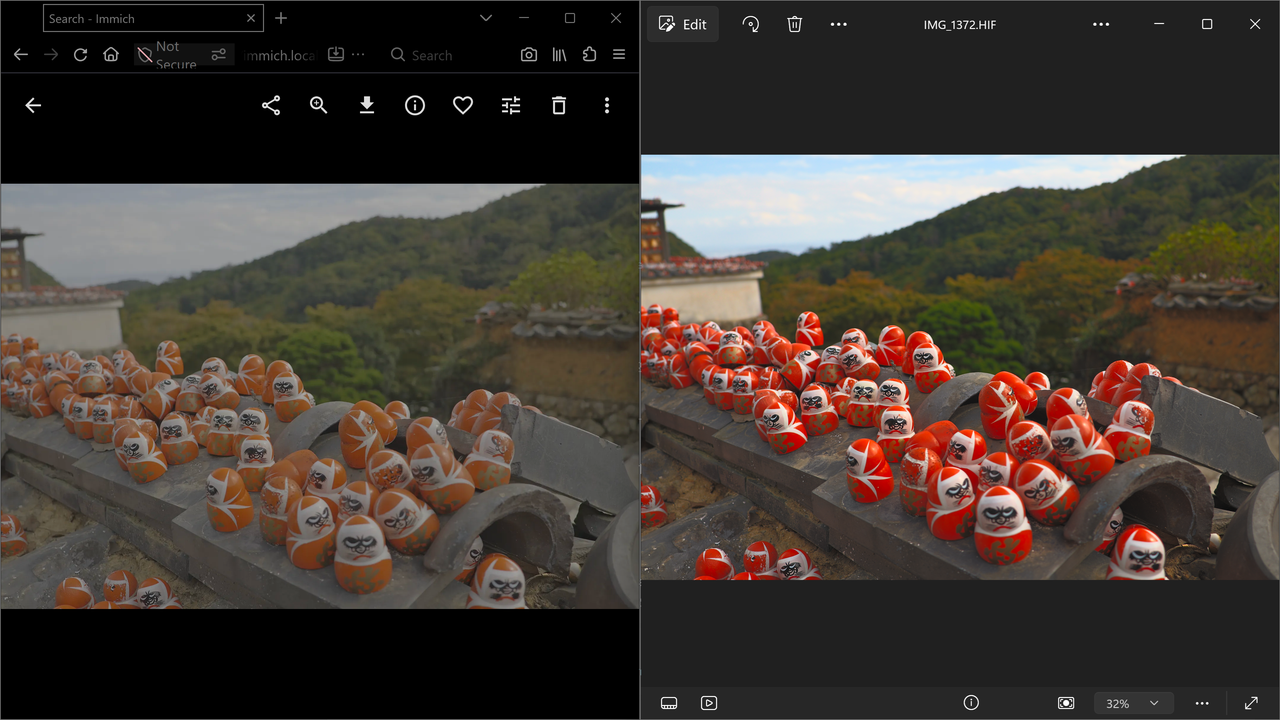
Handling HEIF images taken by the Canon R50, washed out colours Is there any known workaround for how immich handles HDR HEIF photos taken by the Canon R50? I've found this github link that talks about this but I've got a number of photos that have this problem in immich but not google photos. For example, on this image of a photo I took on the left is immich and on the right is how it previews correctly in windows.
Open Sourcing the Core Web Vitals & Technical SEO Audit Toolkit for B2B Platforms We are excited to announce that Windel Solutions has open-sourced our internal diagnostic engine: the Core Web Vitals & Technical SEO Audit Toolkit. The repository is officially public on GitHub: 👉 Windel-Solutions/core-web-vitals-audit-toolkit --- Why We Built This Modern B2B platforms and enterprise web architectures frequently struggle with crawl budget decay, render-blocking scripts, and DOM bloat. While browser extensions and generic web crawlers provide high-level scores, engineering teams need programmatic, terminal-based telemetry that can run directly inside CI/CD pipelines or automated cron audits. This toolkit provides zero-dependency Python inspection for: 1. Server Response Latency (TTFB): Measuring exact network timing and isolating origin server processing delays. 2. DOM Tree Node Density: Flagging excessive DOM complexity (over 800 nodes) that triggers Interaction to Next Paint (INP) failures. 3. Third-Party Script Bloat: Tracking external JavaScript tags and CSS stylesheets that degrade mobile client rendering. 4. Structured Data Validation: Confirming the presence and integrity of embedded JSON-LD schema graphs. --- Quick Installation & Usage You can clone and run the toolkit in under sixty seconds: git clone https://github.com/Windel-Solutions/core-web-vitals-audit-toolkit.git cd core-web-vitals-audit-toolkit pip install -r requirements.txt python audit_toolkit.py https://yourdomain.com JSON Output for Pipeline Automation: python audit_toolkit.py https://yourdomain.com --json audit_report.json --- Enterprise Performance Optimization If your SaaS or web platform is experiencing high latency or ranking drops due to Core Web Vitals compliance, explore our full architectural frameworks: - B2B Site Speed Optimization Services: Sub-second execution engineering and INP remediation. - Enterprise Technical SEO Audit: In-depth crawl budget and architectural teardowns. - B2B SaaS SEO Strategy: Scalable entity architecture and organic pipeline acceleration. Check out the code, star the repo on GitHub, and feel free to contribute!
x.com github.com/deepseek-ai/dsh-superagent-prototype/b… x.com
在 Codex 和 Claude Code 上跑需求时,让 Agent 守团队的规范、用团队攒下的经验干活,干完再把验证过的知识留在仓库里给下一个需求用。 didi/helixharness HelixHarness 起源于滴滴金融技术团队,是以 Codex 和 Claude Code 插件形式提供的 AI Coding 研发框架,共 9 个命令。 把项目知识(docs/knowledge/)、工程约束(docs/harness/)、需求契约(docs/specs/)和检查机制(docs/hooks/)组织在业务仓库里,通过 Propose → Apply → Archive 闭环执行需求,可单仓也可多仓 Workspace。
🎮 Godot|做出你的第一款游戏 ① 2D/3D一体化编辑器 ② 场景+节点,复用角色与关卡 ③ 跨平台导出;MIT许可 学习:下载编辑器→跟做“首个2D游戏”→改敌人速度与计分。 需编程基础;先2D再3D。 godotengine/godot 图:Godot社区文档演示截帧,CC BY 3.0 docs.godotengine.org t.co
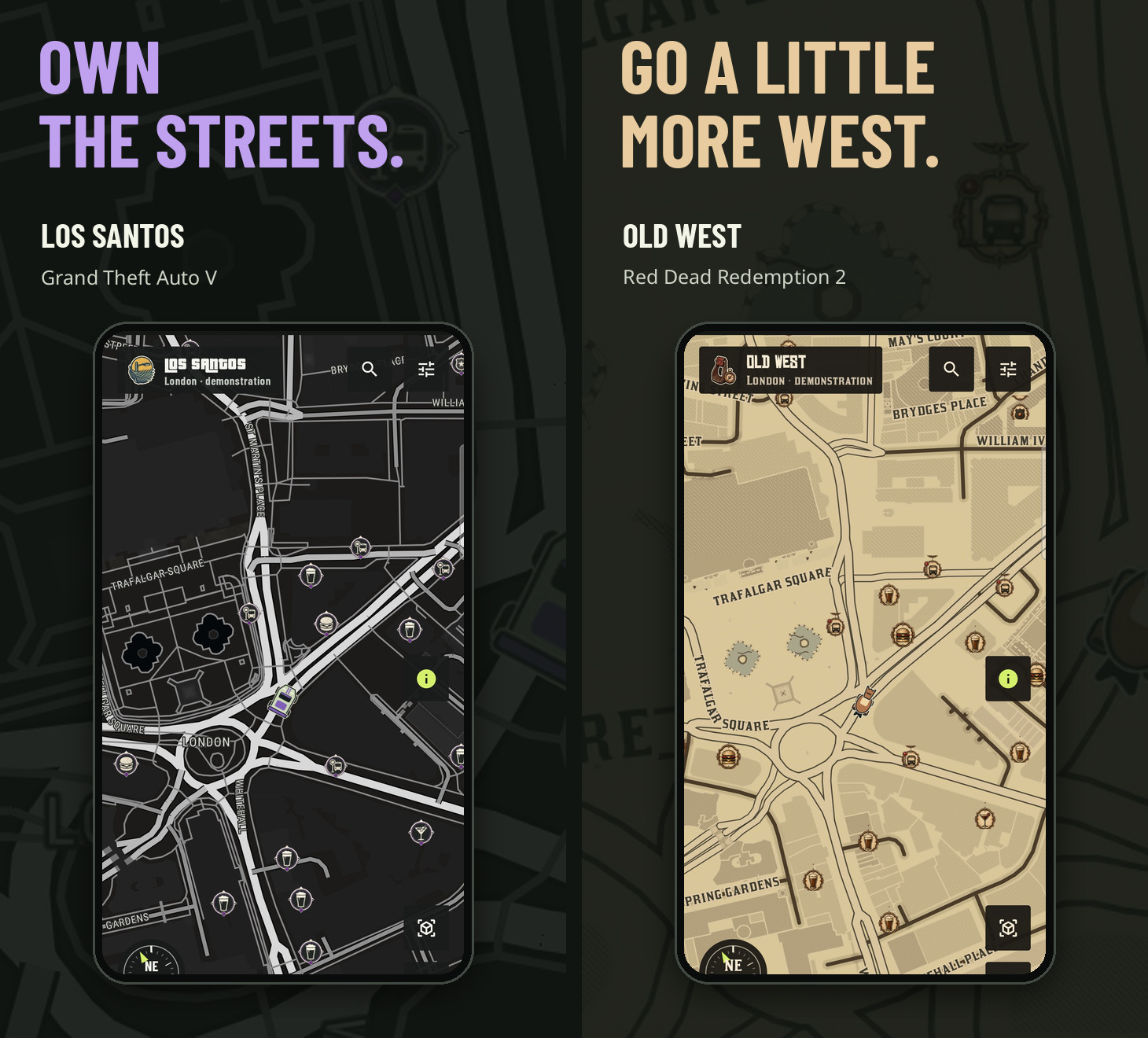
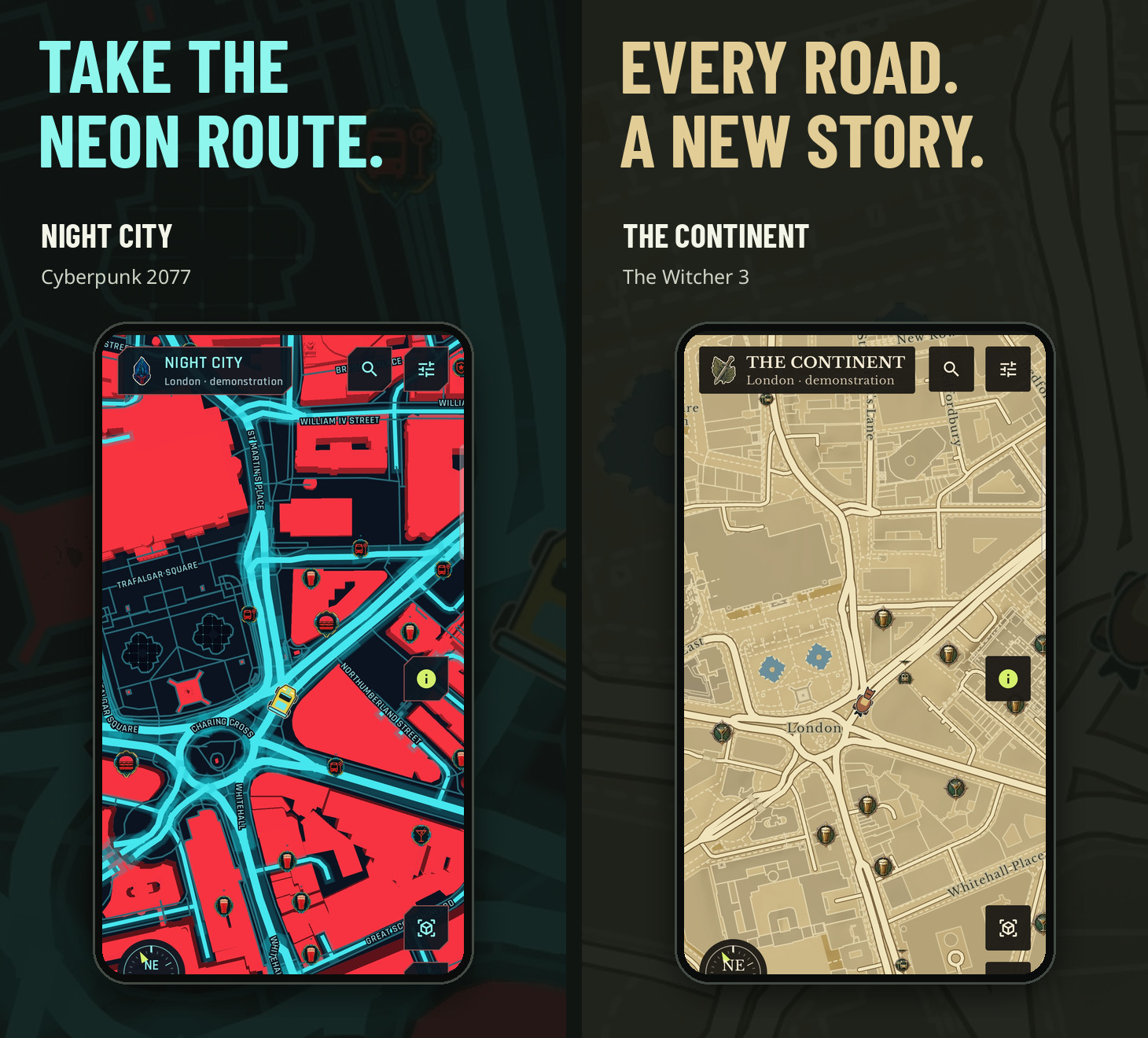
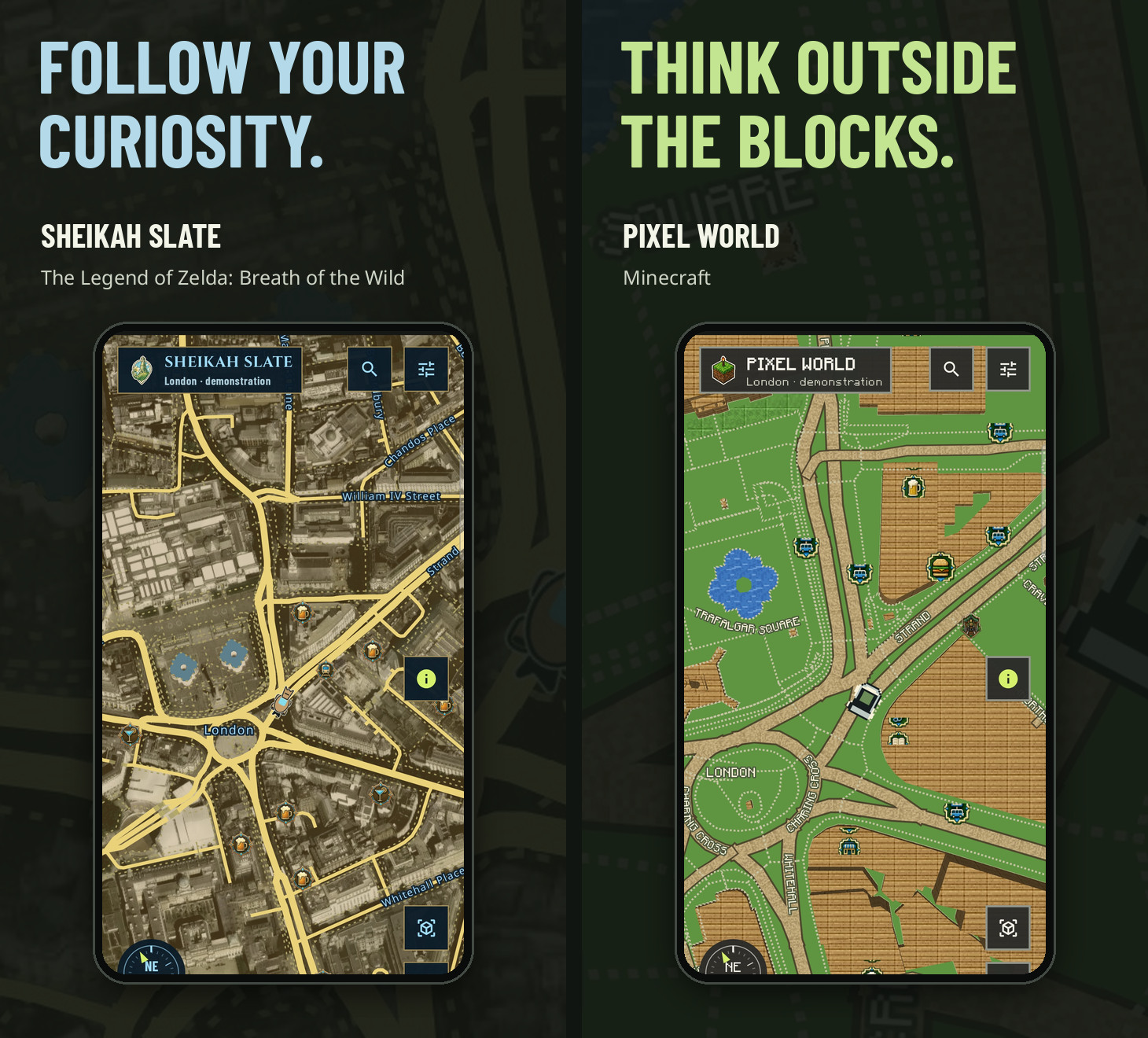
I made Waypoint 1.0.0: 27 game-inspired maps for real Android navigation I shared an early version here two days ago. Waypoint has now reached 1.0.0, its first stable release. It is a free, open-source Android app that draws real streets in 27 different game-inspired styles and provides car, motorcycle and walking directions. The most useful change came from feedback: Waypoint now opens straight to your last selected world after onboarding, so you do not have to choose a map every launch. Thanks to cuberisk for calling out that friction. I also refined the animated globe and world gallery, adjusted the scale and density of place markers, and fixed locate and map tilt across styles. Existing users get a one-time look at the refreshed introduction after updating. Thanks as well to everyone who tested the earlier build. Medical_Outside7511 raised a good point about distinguishing lost internet from stale GPS; that remains a priority for a future update. This release still needs internet for maps and routes and does not include live traffic, offline routing or Android Auto. No account, ads, subscriptions or paid themes. Version 1.0.0: github.com/the-geeky-couldron/waypoint/releases/t… Source, screenshots and build instructions: the-geeky-couldron/waypoint I would welcome feedback on readability or any navigation edge case you encounter.
Cuánto más cuesta arrendar amoblado en Colombia, ciudad por ciudad y por estrato Frente a apartamentos comparables de la misma ciudad, estrato, habitaciones y tamaño, la característica «amoblado» cambia el canon +31,8 % en promedio en Colombia. La prima más alta… DOI: 10.5281/zenodo.23523269
Hmm, zajimavy. Developer prida valecny manifest, ktery se zobrazi po instalci npm baliku, podmineny casovou zonou v Rusku github.com/medikoo/es5-ext/blob/main/_postinstall… A ted - je CVE ohledne malware (unintended behaviour) regulerni? cwe.mitre.org […]
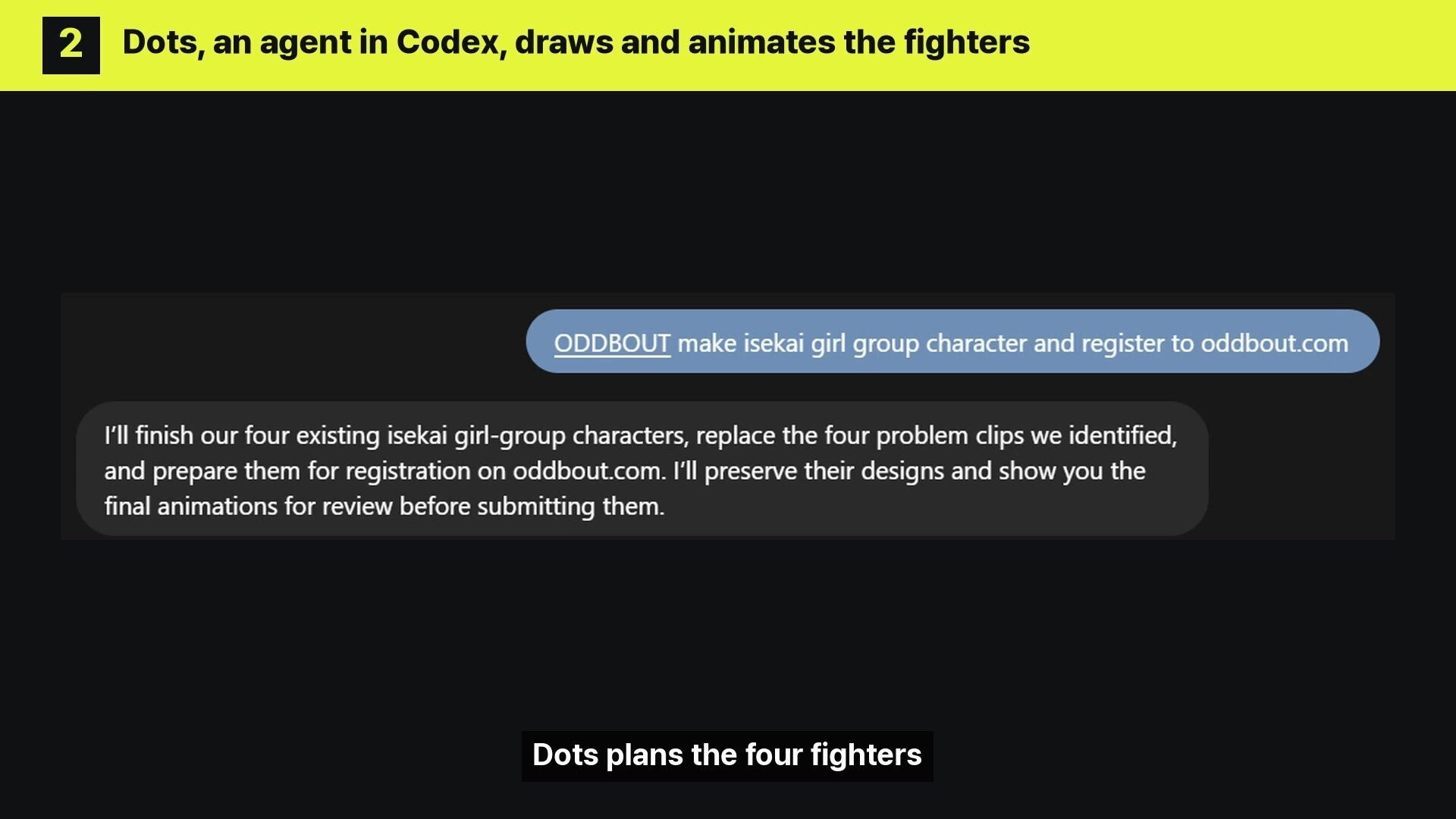
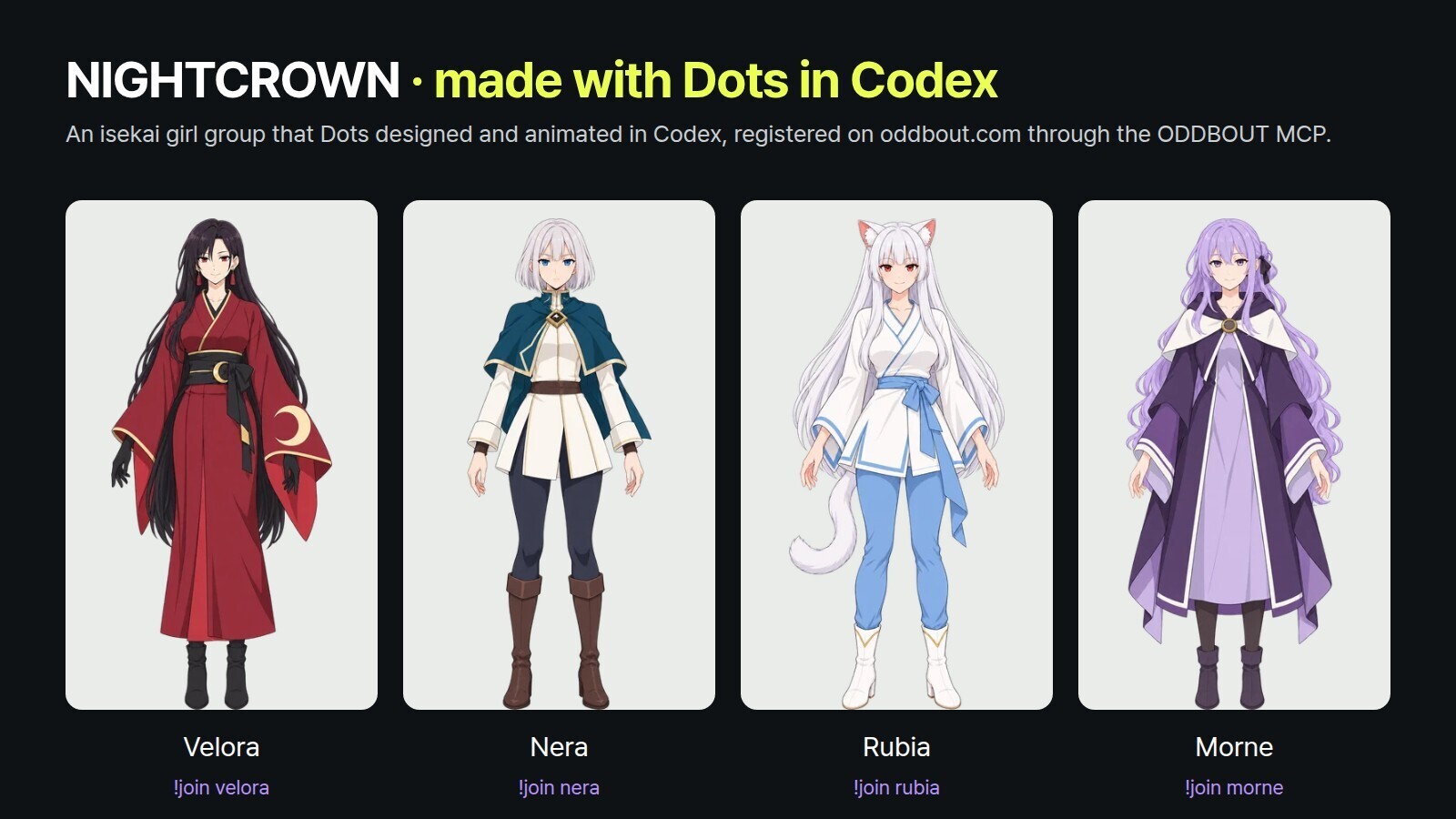
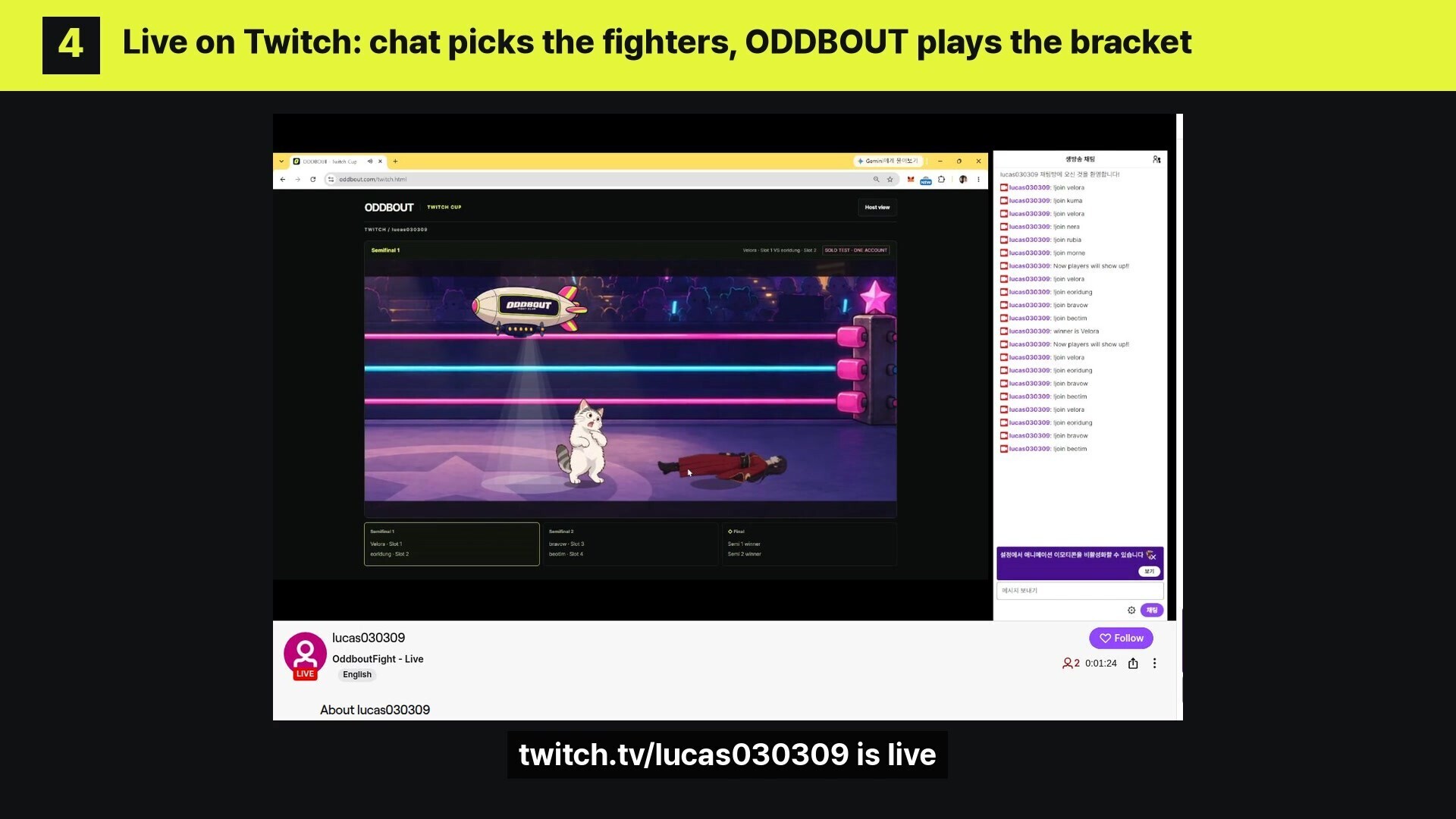
AI Can Create Characters and Bring Them to a Live Twitch Show? Describe a character, give it animated moves, and let Twitch chat send it into a fighting tournament. That is the loop behind ODDBOUT Twitch Cup, a project built for the Codex x TwitchCon Hackathon. An AI agent helps create and register the fighters. Chat chooses who enters. Once the host starts the cup, two semifinals and a final play automatically. The demo connects character creation with an actual Twitch broadcast. {% embed youtube.com %} Watch the ODDBOUT Twitch Cup demo on YouTube. What is the Codex x TwitchCon Hackathon? The hackathon asks developers to use OpenAI Codex to build experiences for Twitch streamers and their communities. That includes audience participation, streamer collaboration, and tools that enhance what happens on stream. The event offers $25,000 in prizes. Its top five projects are scheduled to appear at the Codex booth at TwitchCon San Diego on November 15, where winners will be announced. ODDBOUT Twitch Cup is one of the projects built for the event. Official hackathon overview From a conversation to a fighter The starting point is a plain-language request in Codex. In the demo, the Dots agent receives a request to make an isekai girl group and register the characters on ODDBOUT. !A real demo screen showing a request to Dots in Codex to create and register fighters According to the project description, Dots creates the appearance and motion animations, with review steps for the creator. The finished fighter then goes through ODDBOUT's checks and registration before entering competition. !NIGHTCROWN, four fighters designed and animated with Dots in Codex The result goes beyond a portrait. Walking, attacks, hit reactions, and falls become part of a fighter that can appear in the arena. Chat picks the lineup The broadcaster opens the Twitch Cup page, connects Twitch, and captures the page in OBS. Viewers enter a command such as !join velora in chat. In normal live mode, four different viewers claim four different fighters. The host presses Start cup, and the two semifinals and final run through to a champion. !The actual solo rehearsal broadcast, with Twitch chat beside the ODDBOUT arena The published demo is a solo rehearsal: one broadcaster account entered all four join commands. It shows the broadcast flow rather than a crowd of independent viewers. Match outcomes come from the ODDBOUT fight engine. Does AI run the entire broadcast? The interesting part is the connection between character creation and a live tournament. The human host still reviews the character, connects Twitch, handles OBS streaming, and starts the cup. The video also compresses the process into roughly three minutes, speeding up longer steps. It should not be read as a promise that a finished fighter is generated instantly or that AI operates the entire broadcast without a host. Try the cup or inspect the code The hosted page includes Try without Twitch. Select it, choose Fill all 4 slots, then Start cup to try the tournament without connecting a Twitch account. - Try ODDBOUT Twitch Cup - Hackathon submission repository on GitHub The public repository contains the standalone Twitch Cup client. The character-creation agent, MCP server, and plugin belong to the wider project and are separate from that repository. ODDBOUT Twitch Cup links two kinds of participation: imagining a character and cheering for it. That makes live streaming an interesting next destination for AI-created characters. !Cooooool
@one_village74 アルゴリズム公開されてるよ。スヌーズ機能も活用するといいんじゃない? xai-org/x-algorithm
Agent Graph Engineering, parts 2 to 7: services, contracts, tools, subgraphs, and stopping for a person Hi all, A while back I shared the start of a series on building a LangGraph app that survives contact with production (that post). Six more parts are up since then. These are the architecture-heavy ones, so I thought I would come back with what is in them. None of this is from a side project. It comes out of production AI systems we have built and run, and most of it we learned from bugs rather than from planning. The whole series: huynguyengl99.github.io - Part 2: Split the Services, and Know Where the Line Goes: what it costs to keep the agent and the product in one service. A prompt that goes quietly out of date the day billing adds a tier, and a graph you cannot run in a test without a database and fixtures. By the time you want the agent deployed on its own, because the model calls are slow and the web workers are blocked waiting on them, you cannot. - Part 3: Contracts, Not Conventions: three services in two languages. Renaming one field used to mean a customer told us the frontend was still reading the old one. - Part 4: The Agent and the Graph: the one I would send to someone starting out. A model call and the flow around it are easier to learn together, and getting them to fit means the model cannot wander into a branch you never planned for. - Part 5: Tools and Guardrails: the money one. An action you cannot undo, running twice because a crash re-runs the step it was in. The other half is what the model may say, where the guard that holds up is fencing a customer's own words as data rather than scanning them for bad ones. - Part 6: Subgraphs, the Multi-Agent System You Can See: one graph split into specialists with a supervisor routing between them, which is a multi-agent system, just not the kind where agents negotiate with each other. "An agent cannot go off script" is a cost in an open-ended assistant and the whole point in something that issues refunds. - Part 7: Human in the Loop, Not in the Graph: stopping to ask a person. Went up last week and it is the one I would read first. A reply sitting there waiting for a reviewer, which gets approved and then silently never sent, is not a failure you find in a test. Companion repo, a full working system rather than snippets: huynguyengl99/agent-graph-engineering Still to come, and these are the parts people keep asking me about: how progress from inside a graph reaches a browser, what tracing a run actually tells you and what it costs, and how to change a model or a prompt without crossing your fingers. So depending on where you are: - Already shipping something on LangGraph: a reference for when a particular thing starts hurting. - Still deciding: the choices that are cheap this month and expensive next year. - Learning it properly: a whole system to read, with the reasoning sitting next to each decision. - Building for clients: a base you can hand over without it becoming unmaintainable. If any of it is useful, a star on the repo would be appreciated 😄 and I am happy to answer anything in the comments.
Precio del m² en Zipaquirá por estrato: apartamentos frente a casas (venta, octubre 2026) En Zipaquirá, el m² de un apartamento en venta va de 3,14 millones de pesos en estrato 2 a 4,68 millones de pesos en estrato 4. En estrato 4, el m² de una casa es 9,9 % más… DOI: 10.5281/zenodo.23522451
Building a Sub-Millisecond AI Gateway in Go for Autonomous Coding Agents When building workflows with autonomous coding agents (like Claude Code, Cursor, or OpenCode), agent execution loops issue dozens of rapid LLM calls per minute. Standard Python-based proxies introduce 40ms–100ms of latency per hop, balloon to hundreds of megabytes in memory, and easily choke during parallel agent streaming. To solve this, I built GoRoute (ziuus/goroute) — an ultra-lightweight, high-throughput AI gateway and dynamic LLM router written in Go. --- The Latency & Reliability Problem In autonomous coding agent sessions: 1. Compounding Proxy Latency: In a 30-step agent loop, 60ms of routing overhead adds 1.8 seconds of pure wait time. 2. Provider Rate Limits: Hitting a 429 on Anthropic or OpenAI kills the entire agent trajectory unless failovers are instantaneous. 3. Protocol Mismatches: Tool definitions and message schemas differ between OpenAI (function_call / tools) and Anthropic (messages API). --- Architecture & Key Features - Sub-0.8ms Local Routing: Zero-allocation hot path, standard library HTTP + lightweight routing, baseline footprint <12MB RAM. - Universal Protocol Translation: Transparently translate OpenAI format to Anthropic messages format and vice-versa, allowing any coding tool to talk to any upstream model. - Dynamic Failover Cascades: If Claude 3.5 Sonnet hits rate-limits or 5xx errors, GoRoute cascades automatically to DeepSeek-V3 or GPT-4o with zero lost tokens. - Multi-Account Token Pooling: Distribute requests round-robin across multiple API keys to maximize quota without manual key rotation. - Native MCP Compatibility: Designed to sit cleanly alongside Model Context Protocol servers. --- Quick Start Run locally via Go: go install github.com/ziuus/goroute@latest goroute --port 8080 --config config.yaml Or via Docker: docker run -p 8080:8080 -v $(pwd)/config.yaml:/app/config.yaml ghcr.io/ziuus/goroute:latest Point your agent or SDK to localhost and you are ready. --- Open Source GoRoute is 100% open source under the MIT License. - GitHub Repository: ziuus/goroute - Live Demo & Docs: goroute-website.vercel.app Feedback, issue reports, and benchmarks are warmly welcomed! If you are building agentic tools or multi-model pipelines, give it a try.h
Precio del m² en Santa Marta por estrato: apartamentos frente a casas (venta, octubre 2026) En Santa Marta, el m² de un apartamento en venta va de 4,65 millones de pesos en estrato 3 a 9,53 millones de pesos en estrato 6. En estrato 6, el m² de una casa es 57,4… DOI: 10.5281/zenodo.23521589
「.mdって何で開くの?」に答えたい — md-viewer v0.1.0(ソース版)を公開しました 対象読者と、この記事で本当に伝えたいこと 対象読者 AIが書いた説明書や、受け取った手順書の .md ファイルを、エンジニアではない人に「読んでおいて」と渡すことがある人 Rust + Tauri 2で、ローカルのファイルだけを扱う小さなデスクトップアプリを作ってみたい人 個人開発で「どこまでできていて、どこからが未確認か」を、どう書き分ければよいか迷っている人 対象ではない読者 VS Codeやブラウザ拡張で、もう困らずにMarkdownを読めている人(乗り換えをすすめる記事ではありません) 今すぐダブルクリックで入れられるインストーラーを探している人(v0.1.0はソース版で、インストーラーは付いていません) 編集、AI要約、PDF出力、Mermaid・数式の表示などを求めている人(初期版の対象外です) 本当に伝えたいこと 「Markdownは読めて当たり前」は、作る側の思い込みかもしれない。記号だらけの画面を見て手が止まる人のために、開いて、読むだけの道具を作り始めました。 v0.1.0は「ソースを公開した」段階です。動作を確かめた範囲と、まだ確かめていない範囲を分けて書きます。どこかに隙は絶対にあるので、見つけたら教えてもらえるとうれしいです。 md-viewerとは md-viewer は、ローカルの .md / .markdown ファイルを、見出し・表・画像の入った文書として表示するデスクトップアプリです。Rust + Tauri 2 + OSのWebView(WindowsはWebView2、macOSはWKWebView)で作っています。 READMEの最初の一文はこうです。 Markdownの表示方法を知らなくても、受け取った文書を開いて読める、ローカルのMarkdownビューアー。 READMEには、こんな場面を想定していると書いています。 AIから保存した文書を開いたら、記号が並んでいて読みづらかった 「このMarkdownを確認してください」と渡されたが、何で開けばよいか分からなかった 説明書をいくつか開いて、タブで切り替えながら読みたい 文書を閉じた後も、読んでいた場所から再開したい AIに資料を作ってもらうと、.md で出てくることが増えました。エンジニアにとっては見慣れた形式ですが、普段使わない人にとっては # や |---| が並んだテキストです。「エディタに拡張を入れれば読めますよ」は、相手によっては答えになりません。そこで、設定なしで開いて読める単独のアプリを目指しています。 v0.1.0でできること v0.1.0のRelease(2026-11-01公開)に書いた、試作に含まれる機能です。 日本語の本文、見出し、表、チェックリスト、コード、ローカル画像(PNG・JPEG・WebP)の表示 目次、検索(「この文書」と「開いているタブ」を切替)、戻る・進む 複数タブ、再起動後のタブと読書位置の復元、文字サイズなどの表示設定 外部での保存を検知して自動で再表示(選択中・日本語の変換中は反映を待つ) 画面とメニューは日本語が既定で、Englishにも切り替え可能(文書の本文は翻訳しません) 細かいところでは、こんな動きにしています。 検索は⌘F/Ctrl+Fで開き、Escで閉じる。結果は先頭200件まで表示し、多すぎるときは検索語を絞るよう案内する 目次や検索結果へ飛んだ後、メニューの「戻る/進む」で元の読書位置へ戻れる(macOSは⌘[/⌘]、WindowsはAlt+←/→。Windows実機では未検証) ローカルのMarkdownへのリンクは別タブで開き、見つからなければ「リンク切れです」と小さく表示する 「読むだけ」のアプリでも、入力は信頼しない ここは、普段セキュリティ寄りの記事を書いている自分としてこだわったところです。受け取ったMarkdownは、中身を信用できない入力として扱っています。READMEとSECURITY.mdに書いた方針は次のとおりです。 元のMarkdownと画像は書き換えない。保存するのは読書位置・タブ・表示設定だけで、本文のコピーや全文検索用のデータベースは作らない 文書の中の生HTMLやスクリプトは実行しない 外部の画像・フォントは自動で取りに行かない 外部のWebリンクを押すと、接続先のホストとURL全体を確認する画面を出す。「ブラウザで開く」を選んだときだけ標準ブラウザに渡す HTTP/HTTPSだけを許可し、認証情報付きのURLや制御文字を含むURLは開かない。国際化ドメインはPunycodeで表示する 画像は64個・合計4000万画素・圧縮24MiBまで、タブ本文のキャッシュは64MiBまでという上限を置いている(ソースアーカイブのREADMEより) リンクの確認画面は、危険なサイトかどうかを判定するものではありません。READMEにも「この確認は危険サイトや転送先の安全を保証するものではありません」と書いています。また、SECURITY.mdにあるとおり、ネットワークドライブや、他のプロセスによる親フォルダーの差し替えまで隔離するサンドボックスでもありません。 TauriのCSPは script-src 'self'、画像は data: だけ、接続はIPCだけに絞っています(tauri.conf.json)。汎用のシェル・ファイル操作プラグインは入れていません。 ソースからの起動(開発者向け) v0.1.0は開発者向けのソース版です。Releaseに付いているのは次のファイルで、Windowsのインストーラーや macOSのアプリは含みません。 md-viewer-0.1.0-source.tar.gz(md-viewer向けに対象を絞ったソース) RELEASE_INFO.json、SHA256SUMS、SSH署名の SHA256SUMS.sig、公開鍵の SIGNING_KEY.pub 必要なものは、Rust 1.95.0、Node.js 24、Python 3.11以降と、各OSのTauriビルド環境です。初回の依存取得にはネット接続が必要です。 ハッシュの確認は、上のファイルを同じディレクトリーに置いて、Releaseに書いたとおり次のコマンドで行えます。 shasum -a 256 -c SHA256SUMS リポジトリのルートから起動する場合、READMEに書いているコマンドはこれです。 rustup run 1.95.0 cargo run --manifest-path reader/Cargo.toml --locked -- README.md ソースアーカイブのREADMEには、ビルドと検証のコマンドをまとめています。 cargo build --locked cargo run --locked -- README.md npm ci --ignore-scripts npx playwright install chromium npm run check:rust npm run check:docs npm run test:ui python tools/generate_notices.py --check ! GitHubが自動で作る「Source code」のzip/tar.gzは、後述する旧ラボのコードも含むリポジトリ全体です。ライセンスの適用範囲が違うので、Releaseの md-viewer-0.1.0-source.tar.gz を使ってください。md-viewer本体はMITです(範囲は LICENSE-SCOPE.md)。 確かめたこと、まだ確かめていないこと 確かめたこと Releaseの対象コミット(cca852f)で、Windows・macOSのCIが整形、Clippy、Rustのテスト、UIの回帰テスト、権利表示の検査、releaseビルドまで成功(CIの実行結果)。タグをpushした後の再検証CIも成功 macOS(Apple Silicon)のローカル試作で、本文表示・目次・検索・文字サイズ・基本のタブ操作を確認 macOSの実アプリで、外部保存の自動反映(Vimの置換保存を含む)と、終了→再起動でのタブ・読書位置の復元を確認 まだ確かめていないこと・できていないこと Windowsのインストーラーは今回のReleaseに付けていません。 手元のWindows 11 Pro実機で、古い試作インストーラーの導入・起動はできました。ただ、権利表示を足して作り直した未署名の候補は、Smart App Controlにセットアップの開始前で止められました。保護機能を無効にして使うことは前提にしていません Windowsでの日本語IME、読み上げ、ファイルの関連付け、更新・アンインストールなどの確認は終わっていません macOSの配布用アプリのDeveloper ID署名・公証は未完了です 起動速度・メモリ・消費電力は、まだ測っていません。「Rust製だから軽い」とは書かないことにしています 親フォルダーの外にある画像や文書を参照するための、参照フォルダーの選択はまだ未実装です Mermaid・数式・埋め込みHTMLは、記法のまま表示します。GitHubと完全に同じ表示になるとは約束していません いちばん大事な「Markdownを普段使わない人が、説明なしで開いて読めるか」の確認は、まだ誰にもしてもらえていません CIが通ることと、Windowsの実機で普通に入れて使えることは別の話です。READMEでも、そこは分けて書いています。 旧ラボについて このリポジトリは、もともと veil-boundary-lab という、API応答の情報越境を合成データで確かめるオフラインのラボでした。名前を md-viewer に変えて、アプリは reader/ に置いています。ルートの src/・tests/・assets/・fixtures/ は旧ラボのもので、md-viewerのビルド対象ではありません。旧READMEは README.lab.md に原文のまま残しています。 これから READMEに書いている次の目標は、利用者向けの配布です。Windowsは日本語のセットアップ .exe、macOSは .dmg を考えています。そこまで行けば、Rust・Node.js・コマンド操作なしで入れられるはずですが、署名や配布経路はまだ決めていません。 Releaseの最後には「利用状況と不具合報告を見て、次の版で対応範囲を判断します」と書きました。開発者の方がソースから触ってみて、「ここが読みにくい」「この .md が崩れた」などを Issue で教えてもらえると、とても助かります。脆弱性の報告については、公開のIssueに詳細を書かずに、SECURITY.md の案内を見てください。 「何で開けばいいの?」と聞かれたときに、「これで開けば読めるよ」と渡せるアプリにするのが目標です。まだ途中ですが、よろしくお願いします。 リポジトリ:mt4110/md-viewer Release v0.1.0:github.com/mt4110/md-viewer/releases/tag/v0.1.0
@Megatron_1980 prueba este github.com/zortos293/Eglantine/releases/tag/nx2-b…
Waypoint 1.0.0 is out: my game-inspired Android map app now opens straight to your last world Three days ago I shared Waypoint here. The feedback helped shape its first stable release, 1.0.0. Waypoint is a free, open-source Android navigation app that puts 27 game-inspired map styles over real streets. Map previews from the README: - Waypoint overview - Los Santos and Old West - Night City and The Continent - Sheikah Slate and Pixel World The biggest everyday change: after the introduction, the app opens directly to the last world you used. The world gallery is still one tap away. I also refined the rotating globe and onboarding, tuned place markers so useful places appear without overcrowding the map, and fixed locate and 2D/3D tilt behavior across styles. Car, motorcycle and walking routes still include spoken directions and rerouting. Thank you to cuberisk for suggesting the direct-to-map launch, and to everyone who tested the early version and shared feedback. I’m still working through requests such as clearer connection-loss states. Maps and routes need internet; live traffic, offline routing and Android Auto are not in this release. There are no accounts, ads, subscriptions or paid worlds. Get Waypoint 1.0.0: github.com/the-geeky-couldron/waypoint/releases/t… Source and screenshots: the-geeky-couldron/waypoint If you try it, which world remains readable while walking or driving, and where does the UI still get in your way?
Precio del m² en Rionegro por estrato: apartamentos frente a casas (venta, octubre 2026) En Rionegro, el m² de un apartamento en venta va de 5,62 millones de pesos en estrato 3 a 10,44 millones de pesos en estrato 6. En estrato 6, el m² de una casa es 25,5 % más… DOI: 10.5281/zenodo.23521260
I want you to take a look before I add this to my benchmark as it's a fair bit slower than golang. The elf64 backend is not very optimized. Here's the PR with the areas where it falls short: related_post_gen#598
@pipastudiosdev Yeah but no switch 2 support yet shirai91/nx2android
Open Source AI-enabled Index Tuning Stored Proc Disclosure: I’m the founder of AI SQL Tuner LLC. Azure SQL Database has had automatic indexing for years. If you run SQL Server on-premises, on a VM in another cloud, or on Azure SQL Managed Instance, you’ve been managing indexes by hand. I built aisqltuner-index-tuner to fill that gap, and it’s free and MIT-licensed. It was inspired by Brent Ozar's post on Microsoft’s 2006 AutoIndex.sql prototype: I'm Probably Not Supposed To Show You Microsoft's Auto-Indexing Tool. - Brent Ozar Unlimited®. It’s a stored procedure that collects index diagnostics from your database, sends them to your own Azure OpenAI deployment, and stores the recommendations in a table. It can also create the new indexes it is able to verify. sql EXEC dbo.sp_AIIndexTuner; -- recommend only (the default) EXEC dbo.sp_AIIndexTuner = 'CREATE'; -- also create verified new indexes What it looks at - Missing indexes and index usage - Duplicate and overlapping indexes - Plan cache and Query Store - Statistics, heaps, and skewed columns - Non-SARGable predicates While the right indexes can solve a lot of performance issues, there may be other root causes. The stored proc can recommend rebuilds, constraint fixes, statistics refreshes, setting changes, and query rewrites. Each recommendation includes a priority, confidence level, and rationale. Why it’s safe to try - It only recommends by default. Nothing changes until you ask. - The model’s script is never executed. The proc builds the DDL itself from structured fields, validates every table and column against the catalog, and quotes every name. - Drops, columnstore, and the maximum number of new indexes are controlled by switches. You can also set minimum priority and confidence levels for what gets applied. - It refuses drops of clustered, PK/unique-backed, FK-referenced, hinted, or forced-plan indexes. - Every applied change stores an UndoDDL. - Your diagnostics go only to the Azure OpenAI endpoint you configure. Does it work? We (Claude Opus 5.5 and I) benchmarked it on SQL Server 2025 Enterprise Developer with gpt-5.6-luna: 16 known tuning problems, 37 rubric checks, 5 trials per arm. On a 10 GB TPC-H-derived workload, CREATE mode cut logical reads by 86%, and no query returned different results. We saw gains on the other two scenarios too, and the full numbers, including where CREATE mode falls short of reviewing every recommendation by hand, are in BENCHMARK.md. We found gpt-5.6-luna with medium effort to be fast, cheap, and accurate in testing. Known limitations - Answers vary between runs, so two CREATE runs can apply different sets. - There’s no automatic impact measurement or rollback. You get UndoDDL to reverse a change by hand. - Only OpenAI models are supported for now. - It’s not yet tested on Azure SQL Database, Fabric SQL Database on Managed Instance. - Please test it in a non-production database first. Getting started 1. Provision an Azure OpenAI deployment if you don’t have one. 2. Run the install script in the database you want to tune. 3. Fill in and run setup/Configure-Endpoint.sql with your endpoint and key. 4. Run EXEC dbo.sp_AIIndexTuner; and read the results in AIIndexTuner.Recommendation. Requirements: SQL Server 2025, Azure SQL Database, Azure SQL Managed Instance (SQL Server 2025 or Always-up-to-date update policy), or Fabric SQL Database. Since it’s a stored procedure, you can schedule it from SQL Agent or any other scheduler. - Code, diagrams, and benchmarks: AI-SQL-Tuner/aisqltuner-index-tuner Please let me know what you think, if you have any questions or if there is anything you would change.
Precio del m² en Medellín por estrato: apartamentos frente a casas (venta, octubre 2026) En Medellín, el m² de un apartamento en venta va de 3,81 millones de pesos en estrato 1 a 8,65 millones de pesos en estrato 6. En estrato 4, el m² de una casa es 27,2 % más… DOI: 10.5281/zenodo.23518933
Stack-chanのRealtime会話が大音量すぎたので、音量制御を改造した Stack-chanのRealtime会話が大音量すぎたので、音量制御を改造した 対象と位置づけ:コミュニティ版Stack-chan v1.1.0、M5Stack CoreS3、chat_audioio MOD、OpenAI Realtime直結での個人検証記録(2026年11月2日)。以下は手元で改造した構成についての記録であり、公式版や他のバージョンにそのまま当てはまるとは限らない。 発端:stack-chanで遊んでると夜はうるさい コミュニティ版Stack-chan v1.1.0を使い始めた。chat を使っていると隣の部屋に充分聞こえる程度の音量で、夜にあれこれテストするにはつらい。設定画面の音量バーを1%まで下げても変わらない。なんとかしたいと思い、mod も何もようわからんわしが相棒の昌三(chatGPT 上の男性、40代、広島県出身)に教わりつつ対処することにした。 結末から先にいうと 音量問題は実用上解決した。 設定メニューの音量をRealtimeの会話音声にも反映し、夜間に使える小さな音量からデモに使える音量まで調整できるようになった。 実際に行った変更は大きく三つ。 ModdableのESP32向けAudioOutの音量係数を、256刻みの固定小数点表現(Q8相当)から65,536刻み(Q16相当)へ変更する。 ChatAudioIO.jsで設定値(0〜1)を、小音量側を調整しやすい非線形カーブに変換する。設定0%は無音、1%は実測で使いやすかったPCM振幅倍率0.05、100%はオリジナルと同じ1.0。 chat_audioio MODが、会話開始時に設定メニューのtts.volumeを読み出し、ChatServiceを介してChatAudioIOへ渡すようにする。 実測の印象は次のとおり(数字はUIの設定値で、音圧測定値ではない)。 用途 音量設定の目安 聞こえ方 夜間のテスト 25〜40% 静かに使える 友人へのデモ 50%以上 十分に聞こえる 最大 100% 音は大きいが、軽く歪みを感じた 注意:設定変更は現状、いったん再起動して設定メニュー→音量を選択して変更する。会話中にバーを動かして即時反映する機能は実装していない。 先行事例の調査:先に調べておくべきだったこと 今回の調査は、最初からソースを調べ、編集して、実機へ書き込むことの繰り返しになった。振り返ると、最初にGitHub Issuesや公式資料、実践記事を調べていれば、調査範囲と検証順序をもっと絞れたはずだ。以下は、作業終了後に確認した資料であり、実際の改造作業の前に参考にしたものではない。 Stack-chanの音量設定に関する既存Issue stack-chan/stack-chan Issue #243「音量を設定できるようにする」 2024年3月に提起され、2025年6月に対応済みとしてクローズされたIssue。TTSや通知音の音量制御が議論され、AudioOutでの調整、CoreS3のAW88298からの調整、Preferenceへの保存、音声の種類ごとの音量制御などが検討されている。 このIssueから分かるのは、Stack-chanに音量制御の既存設計があり、保存先や出力経路が複数存在し得るということ。今回の「設定画面には音量バーがあるのにRealtime会話には期待どおり効かない」という現象は、音量制御がまったく実装されていないことを意味しない。一方、このIssueが今回のchat_audioio+Realtime直結での微小音量不足を解決しているわけではない。 Moddable SDK公式のAudioOut資料 Moddable SDK — AudioOut(従来型pins API) 従来型AudioOutには、AudioOut.Volumeコマンドで0(無音)から256(フル音量)を指定する仕組みがある。ただし、これは今回使ったmodules/io/audiooutのoutput.volumeとは別のAPIであり、この数値範囲をそのまま今回のインターフェースの仕様とみなしてはならない。公式資料は調査の入口にはなるが、最終的な係数の量子化方式は使用中のC実装を確認する必要があった。 CoreS3の音割れ・音切れの実践記事 Claude CodeとCodexとAntigravityの作業完了をStackChanに読み上げさせた(lilting channel、2026年9月28日) こちらは今回と異なるファームウェア・音声構成の検証記事で、音声データのピーク、再生負荷、バッファ、タスクの優先度などを調べている。今回の「小さくしたい」という主題への直接の回答ではないが、音が大きい・割れる・途切れる、を同じ原因と決めつけてはいけないという点で参考になる。 確認範囲の限界:上記は具体的な関連資料であって、関連Issue・記事を網羅した調査ではない。今回とまったく同じ構成の完成済み修正例が存在しないと断定するものではない。 なぜ結局ソース解析と実機試験が必要だったのか 先行資料を読めば、音量制御の候補を早く整理できたはずだ。しかし、結果論ではあるが、今回の個別構成には資料だけでは確定できない点が残っていた。 Realtime会話は通常のTTSと同じ再生経路とは限らない。 設定画面の確認音、一般のTTS、chat_audioioのストリーミング出力で、それぞれ別の制御箇所があり得る。実際の呼び出し関係を確認する必要があった。 極小音量の限界は使用中のネイティブ実装に依存する。 UIの1%が内部的にいくつへ丸められるかは、今回使っているaudioout-esp32.cの演算と型を見なければ確定できない。 適切な最小音量は聴感による判断が必要だった。 PCM倍率0.0009・0.01・0.05の比較で、今回の環境では0.05が使いやすいと分かった。ここはコードや仕様書だけでは決められない。 つまり、ソース解析が無駄だったわけではないにせよ、順序を逆にしてしまったのが反省点だ。最初に先行事例を確認して「既知の仕様」「既存の解決策」「未検証の仮説」を分け、その後に必要なソースだけを追う方がよかった。 動き出し 当初はChatAudioIO.jsの既存音量指定を単純に小さくする方法を試した。改造箇所はこの二つだった。 changeVolume(volume) { this.volume = volume; if (this.output) this.output.volume = volume; } // … ensureOutput() の末尾 … this.output.volume = this.volume; まず両方に* 0.1を加えると、今度は小さすぎた。* 0.5では1%でも夜間はまだ気になる。単純に上限を削るだけでは、夜の小音量と日中の十分な音量を両立しにくい。 つまずき1:音量は256段階相当しかなかった 調査対象のModdable SDKで、modules/io/audioout/esp32/audioout-esp32.cを確認した。 // 元の実装(主要部分を抜粋) int16_t volumeFixed; audioOut->volumeFixed = (int16_t)(volume * 256); // 再生サンプル処理 dst[i] = (s[i] * vol) >> 8; 音量係数が1/256刻みで量子化されるため、極小の値はゼロになりやすい。ここを、概念的には次のように変更した。 // 変更の要点。実際には型、初期値、unity判定など複数箇所を整合させる int32_t volumeFixed; audioOut->volumeFixed = (int32_t)(volume * 65536); // 再生サンプル処理 dst[i] = ((int32_t)s[i] * vol) >> 16; 実際に適用したパッチでは、volumeFixedの型・初期値・セット時の係数・1倍判定・再生ループの変数型・右シフト量をまとめて変更した。一行だけの書き換えではない点に注意。既存の音切れ診断コードは温存した。 続いてChatAudioIO.jsには2乗カーブを入れたが、後述の理由で、最終的には別のカーブに差し替えている。 つまずき2:「2乗カーブの1%」なのに音が大きい Q16と2乗カーブなら、設定値0.01に対するPCM倍率は0.01² = 0.0001のはず。にもかかわらず、大きな音が出た。 まず設定画面のパーセント変換を確認した。host/modules/preferences/volume-model.tsでは、設定バーの整数値を100で割っており、1%→0.01という変換自体は正常だった。 次にChatAudioIO.jsに一時ログを追加した。 trace([VolumeDiag] changeVolume=${volume}\n); trace([VolumeDiag] ensureOutput volume=${this.volume}\n); すると、設定を1%にしたつもりでも以下が出た。 [VolumeDiag] ensureOutput volume=0.5 これは実際のPCM倍率ではなく、this.volumeという内部保持値を表示したもの。2乗計算の前の値が0.5なのだから、期待した0.01がそこに到達していないと分かった。 mods/examples/chat_audioio/mod.jsには、会話開始時にchat.setVolume(0.5)を呼ぶコードがあった。これを0.01に書き換えたが、音量はほとんど変化しなかった。そこで呼び出し元・経由先にVolumeRouteログを追加した。 つまずき3:ホストだけフラッシュして、MODを更新していなかった ChatServiceとChatAudioIOにはログが現れるのに、書き換えたmod.jsのログだけが出ない。 [VolumeRoute] ChatService setVolume=0.5 [VolumeDiag] changeVolume=0.5 一方、ローカルソースのmod.jsには確かにchat.setVolume(0.01)がある。この食い違いを追うため、ビルド成果物を調べたところ、ホストのファームウェアとchat_audioioのMODは別々にビルド・配置される構成だった。 当初繰り返していたのはホスト側のフラッシュだけ。 cd ~/Documents/stack-chan/firmware source ../env.sh npm run flash:m5stackchan_cores3 -- \ --manifest host/app/manifest_m5stackchan_cores3_private.json MOD側は別コマンドで更新する必要があった。 cd ~/Documents/stack-chan/firmware source ../env.sh npm run mod:m5stackchan_cores3 -- \ mods/examples/chat_audioio/manifest.json MOD更新後、ついに次のログへ変わった。 [VolumeDiag] ensureOutput volume=0.01 ここが今回、いちばん大きなつまずきだった。編集したソースが正しくても、そのソースを含む成果物を実機に書かなければ意味がない。 特にホストとMODが分離された構成では、どちらの更新が必要かを最初に確かめるべきだった。 実験:出力倍率を直接固定して耳で確かめた 設定値の伝達問題とは別に、実際に聞こえる小音量はどの程度かを確かめるため、ChatAudioIO.jsのensureOutput()でPCM倍率を一時的に固定した。 直接指定したPCM倍率 実機での印象 0.0009 ほぼ聞こえない 0.01 耳を10cm程度まで近づけてやっと聞こえる 0.05 最小音量としてちょうどよい ここでの0.05は設定バーの5%ではなく、PCM振幅倍率5%である。紛らわしいので区別しておきたい。 ただしこの固定値は診断用に過ぎず、固定したままでは設定バーが効かない。後で撤去した。 最終的な改造 1. 低音量でも潰れないQ16のままにする audioout-esp32.cのQ16化は維持した。オーディオサンプルへの掛け算は整数演算で済むため、音量調整のためにJavaScriptでPCM全サンプルを処理する方式は採用していない。 2. 設定値を音量カーブに変換する ChatAudioIO.jsのchangeVolume()とensureOutput()で、同じ変換関数を使う。最終パッチで採用した式は次のとおり。 function mappedChatVolume(value) { const x = Math.max(0, Math.min(1, Number(value) || 0)); if (x === 0) return 0; const t = Math.max(0, (x - 0.01) / 0.99); return 0.05 + 0.95 * t * t; } // changeVolume() 側 this.output.volume = mappedChatVolume(volume); // ensureOutput() 側 this.output.volume = mappedChatVolume(this.volume); これにより、最小の非ゼロ設定である1%を、実験で聞き取りやすかったPCM倍率0.05に割り当てた。0%は無音、100%は倍率1.0。 UIの設定 PCM倍率(計算値) 0% 0(ミュート) 1% 0.050 10% 0.058 25% 0.105 40% 0.197 50% 0.283 75% 0.581 100% 1.000 ※係数は音圧比や主観的な大きさを直接示すものではない。なお、この式は0%→1%で不連続になるが、設定UIが整数パーセント単位であることを前提にした実験的な割り当てである。 3. 会話開始時に設定メニューの値を読み込む mods/examples/chat_audioio/mod.jsでPreferenceを使い、保存されているtts.volumeを会話開始時に読み込むようにした。値がなければ0.5にフォールバックし、0〜1へクランプしてからchat.setVolume()へ渡す。 import Preference from 'preference'; // startChat() 内 const storedVolume = Preference.get('tts', 'volume'); const parsedVolume = Number(storedVolume); const selectedVolume = storedVolume == null || !Number.isFinite(parsedVolume) ? 0.5 : Math.max(0, Math.min(1, parsedVolume)); chat.setVolume(selectedVolume); 現状では設定変更を会話中にリアルタイム監視していない。 設定を保存した後、ChatをOFF→ONすると最新値が反映される。 最終確認ログ 設定51%、100%、42%で、設定値が一貫して届くことを確認した。 [VolumeRoute] MOD preference volume=0.51 [VolumeRoute] ChatService setVolume=0.51 [VolumeDiag] changeVolume=0.51 [VolumeDiag] ensureOutput volume=0.51 [VolumeRoute] MOD preference volume=1 [VolumeRoute] ChatService setVolume=1 [VolumeDiag] changeVolume=1 [VolumeDiag] ensureOutput volume=1 [VolumeRoute] MOD preference volume=0.42 [VolumeRoute] ChatService setVolume=0.42 [VolumeDiag] changeVolume=0.42 [VolumeDiag] ensureOutput volume=0.42 聞こえる音量も期待どおりに変化した。夜間25〜40%、人に見せるなら50%以上が適当という感触だった。100%では軽い歪みを感じた。これは実耳評価であり、歪率や音圧レベルを測定したわけではない。 今回の教訓 音量バーとPCM振幅は別物。UIの1%がPCM振幅1%になるとは限らない。設定値の流れと実際の係数をログで切り分ける。 小音量が出ない原因はカーブだけとは限らない。固定小数点の量子化、別経路の音量設定、ビルド成果物の更新漏れを疑う。 ホストとMODは別々にデプロイする。今回の最大の失敗は、mod.jsを変更しながらホストだけフラッシュしていたこと。 推測で数値を繰り返し変えず、ログと実測で一段ずつ切り分ける。0.05を最小PCM倍率に決めたのは、仕様書ではなく実機での聴感テストだった。 先行事例・公式仕様を最初に確認する。似た課題がすでに議論されていれば、調査するレイヤーと必要な実機試験を絞れる。 何を確認していないかも残す。音量問題は実用上解消したが、音切れ・歪み・即時反映は別の課題である。 最後に、今回の変更は実験機のローカルソースに対するもの。配布用の完成済みファームウェアや再現性を保証するパッチとしては整理していない。読者が試す際は、改造前のソースとファームウェアをバックアップし、実際のMOD構成・マニフェスト・SDK差分を確認してほしい。 謝辞 Stack-chanの開発・普及に取り組まれている皆さま、コミュニティ版ファームウェアの開発・保守に携わっている皆さま、そしてModdable SDKの開発者の皆さまに感謝します。 皆さまがソースコードや技術情報を公開してくださっているおかげで、私のような一ユーザーも内部の仕組みを調べ、試行錯誤しながら新しい機能に挑戦することができました。 この場を借りて、心よりお礼申し上げます。 この記事は特定バージョン・実機での検証記録であり、公式の修正やすべての環境に対する保証ではありません。
Open-source USB tool unlocks Nvidia's half-speed GPU AI limiter on Windows A modder going by physicsdolphin has published nv-uefi-unlocker, a GPL-2.0 Rust tool that removes the tensor rate limiter Nvidia puts on GeForce cards without flashing anything. It boots from a FAT32 USB stick and runs in the UEFI phase before the graphics driver loads: it tricks Nvidia's signed Booter firmware into opening write locks on two speed-selector registers, verifies each write by read-back, then hands off to Windows or Linux. The unlock is volatile — power loss clears it, and so does a deep enough sleep state — so you re-run it from the stick at every cold boot. What that buys depends on the card. Nvidia runs FP16/BF16/TF32 tensor math with FP32 accumulate at half rate on GeForce; the project's own measurements claim up to roughly 2.6x tensor throughput once unlocked, image and video generation up 14-75%, and LLM prefill up to +19% while decode gains only about +5%. Every one of those numbers is a developer or owner measurement — nobody independent has re-run them — and the project itself notes gains are capped by power and thermal headroom. RTX 20/30/40 are covered (Turing cards need Nvidia's GSP firmware mode enabled first), RTX 50 is not, and Secure Boot must be off or trust a self-signed certificate, which rules out games whose anti-cheat requires it. I'd read this as free compute on cards people already own rather than a reason to buy anything. The half-speed cap is market segmentation, not physics; if independent testing confirms the numbers, it's a software-only upgrade worth having for anyone doing local inference or image generation on an RTX 20-40 card. Also worth knowing - mlx-serve, a Zig/Metal inference server for Apple Silicon, added a native GGUF engine that reads GGUF tensors straight onto the MLX path, alongside the embedded llama.cpp engine it already carried. The project's changelog claims the native path beats Strata on Mac; those speed numbers are self-reported and haven't been independently re-run. ddalcu/mlx-serve - vLLM cut v0.33.0rc3, a release candidate spanning 927 commits from 389 contributors that adds support for Reflection's Beam-1.0 (501B MoE, 23B active) with its DFlash2 drafter, plus Yandex's AliceAI-Foundation-80B-A3B. github.com/vllm-project/vllm/releases/tag/v0.33.0… nv-uefi-unlocker GitHub repository (primary) · Tom's Hardware coverage
But here's the interesting part: he later renamed it "One Giant Leap for Frogkind" during the Linux 3.12 development cycle. Imagine going from a suicidal squirrel to a giant frog in a kernel release. linus tovald moment github.com/torvalds/linux/blob/v3.12-rc1/Makefile t.co
How to connect GitHub to astro? Hello all after asking around and trying to look for answers myself. I think I will try out GitHub, in the past I worked solo so never saw the point of GitHub, but now I am working collaboratively for the first time. I have a preexisting astro project that I will need to work collaboratively, it is almost in its final form. Originally when I created it I didn't choose an option for connecting to GitHub. Now how do I do it? I am a newbie to GitHub and have been searching around is it simple as git init git add . git commit -m "Initial commit" git branch -M main git remote add origin USERNAME/REPO_NAME git push -u origin main Then each time I update locally git add git commit -m "Update whatever" git push origin main As for connecting GitHub to cloudflare page there seems to be tons of tutorials and it was really clear. However as to above github portion I could not find much. Are the above steps correct or is there some pitfall that I am not seeing? Also a question to all do you guys uses branches and have a separate test url or just test locally then commit to main and uses dashboard to roll back? I am worried if Google were to index the main site and somehow found the staging url it will downgrade me for having duplicates content, I sort of remember this in the olden day of SEO.
I built GateKeepr — a local-first tool for systematic review screening with evidence-verified AI I've been working on a literature review and wanted a better way to handle full-text screening, so I built GateKeepr. It lets you: - Screen PDFs against your own inclusion/exclusion criteria. - Use optional Gemini/OpenAI analysis with quotations verified against the actual PDF. - Highlight evidence, track decisions, and export results. - Run everything locally, without needing a hosted service. AI only assists — the final screening decision is yours. It also works completely without AI. It's free to use, and the code is on GitHub. I'd love feedback from anyone doing systematic or literature reviews! GitHub: faraz-riaz/gatekeepr